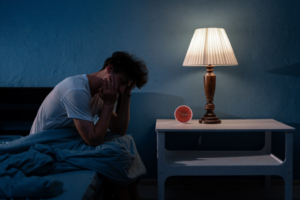
If you find yourself kicking off your blankets at night, flipping over your pillow, or even waking up sweating and overheated, you aren’t alone. Many people struggle to find good sleep if they’re unable to regulate their body temperature, and the issue only worsens as the warmer months approach. While comfort and temperature play a role, though, they aren’t the only factors that impact sleep—breathing issues stemming from untreated sleep apnea can also be very problematic. Here’s what you need to know about sleep apnea and some tips for staying cool while catching restful sleep.
What’s Making Me Feel Warm at Night?
Your body temperature naturally drops at night to help initiate and maintain sleep. However, several factors can interfere with this, including having a warm bedroom, heavy bedding or blankets, clingy pets, stress and anxiety, and sleep apnea, which is a condition characterized by the airway becoming blocked and forcing the body to wake up to breathe as a response. No matter the cause, when sleep is interrupted or fragmented, especially by repeated breathing interruptions, your body can struggle to regulate your temperature well.
Tips for Staying Cool While Sleeping
You can make a few easy lifestyle adjustments to ensure that you don’t overheat while sleeping. Keep these tips in mind:
- Take a shower before bed – A warm (not cool) shower before bed can actually help your body cool down by encouraging heat release.
- Stay hydrated – Your body needs water in order to sweat and cool itself off, plus, feeling dehydrated during the day can make your body feel warmer at night.
- Wear breathable clothing to bed – Loose-fitting cotton or moisture-absorbing fabric can help to regulate body heat.
- Use shutters, blinds, and curtains to block out light and keep the room cooler.
- Sleep in a room with air conditioning; the ideal temperature for sleeping tends to be between 60F and 67F. You can also use a fan to create a breeze.
If you’re consistently waking up sweating, gasping for air, or feeling like your heart is racing, there might be something else going on, like sleep apnea. This condition won’t cure itself, so it’s in your best interest to speak with your sleep dentist for possible treatment recommendations.
About the Practice
Under the skillful leadership of Dr. Jeff Rodgers, our team here at Sleep Better Georgia has helped countless patients conquer their sleep apnea and enjoy restful sleep every night. A Diplomate of both the American Board of Dental Sleep Medicine and the American Sleep and Breathing Academy, you can count on Dr. Rodgers to find a suitable solution for your sleep condition. If you have any questions about the blog or you’d like to schedule an appointment for yourself or a family member, please call or reach out online for more information or assistance. Telephone: (770) 394-4310.