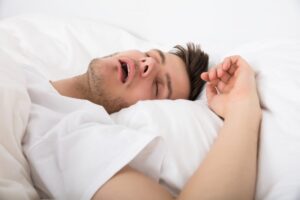
When it comes to sleep apnea, many people simply view its symptoms as annoyances. After all, loud snoring is one that often happens. While it may not seem like much of a big deal, it can have serious complications. This condition may actually affect life expectancy in some ways, but just what are the risks of untreated sleep apnea? Here’s all you need to know about its effect on lifespan.
What’s Sleep Apnea?
As a quick reminder, this sleep disorder can make a person to wake up repeatedly during the night due to interrupted breathing. The most common form of it is obstructive sleep apnea, or OSA, but it occurs when your throat muscles relax and collapse, blocking your airways. Aside from loud snoring, many people also experience daytime drowsiness, trouble concentrating, and increased irritability.
Can Untreated Sleep Apnea Affect My Life Expectancy?
When someone has OSA, the effects of it can go beyond the ones mentioned above. Their quality of life may not be as high as systemic conditions can worsen. Heart disease, diabetes, depression, blood pressure, and liver health are some that can become affected. Not only that, but it’s more likely for them to fall ill or end up in an accident while driving or at work. All of these can increase the risk of a patient experiencing potentially fatal consequences.
How Is Sleep Apnea Treated?
While sleep apnea can cause a wide range of problems for you, your sleep dentist is here to give you the treatment you deserve. They will help you confirm a diagnosis, then give their recommended solutions you can benefit from, such as:
- Oral Appliance Therapy: This is a custom device you’ll wear during the night. It will gently adjust the position of your jaw so that your airway stays clear. Mild to moderate cases often get good results with this route. Better yet, it’s designed for your smile, so it should be completely comfortable as well.
- Continuous Positive Airway Pressure (CPAP) Machines: This handy piece of technology is the traditional treatment method. It essentially delivers air through your mouth or nose, so you’ll need to wear a mask while you sleep. If you have more severe OSA, then this can be effective for you.
In the end, sleep apnea is much more than snoring. It can have an impact on your quality of life and even affect your life expectancy when left alone. By going to your sleep dentist, you can avoid any complications and get the undisturbed nights you deserve.
About the Author
Dr. Jeff Rodgers is a proud board-certified expert in sleep and has over 20 years of experience treating sleep apnea in his patients. He is a Diplomate of the American Board of Sleep Medicine and America Sleep and Breathing Academy. By having a consultation, you can learn more about what options are available to you to get to rejuvenating rest once again. If you have any questions about OSA, schedule an appointment or call his office at (770) 394-4310.