
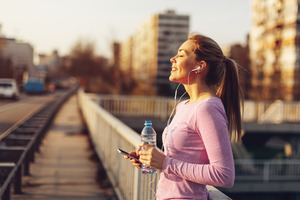
If you’re currently trying to get sleep apnea under control, it may help to make certain changes to your lifestyle. In many cases, exercising more often can prove to be highly beneficial. Studies indicate that engaging in regular physical activity can potentially make sleep apnea symptoms less severe. Below is a closer look at the impact that exercise can have on sleep-disordered breathing.
What Does It Mean When You Have Sleep Apnea?
Sleep apnea causes you to repeatedly experience pauses in your breathing while you’re asleep. There’s more than one type of sleep apnea, but the most common kind is obstructive sleep apnea, which occurs when the airway is partially or completely blocked.
Having your breathing interrupted while you’re asleep can cause blood oxygen levels to significantly drop, which can increase blood pressure and contribute to heart problems. Furthermore, whenever your breathing stops, your brain is forced to wake your body up in an effort to get some air. These repeated awakenings can make it extremely difficult to get a good night’s rest.
How Can Exercise Have a Positive Impact on Sleep Apnea?
Exercising regularly can be a great way to lose weight. This is significant because obesity and sleep apnea are closely linked. When you’re overweight, excess fatty tissue can accumulate in your neck. The result is a narrower airway that is more prone to becoming blocked while you’re asleep. Losing weight through physical activity can reduce the presence of fatty tissue in your neck, thus making your sleep apnea less severe.
On top of that, exercise can have a positive impact on your overall sleep quality. It’s known that engaging in physical activity on a daily basis can make it easier to fall asleep and stay asleep. This is good news for people with sleep apnea who have been struggling to get the rest they need.
What Exercises Can Help with Sleep Apnea?
There are plenty of kinds of exercises that could potentially help you reduce sleep apnea symptoms. Noteworthy examples include walking, jogging, tai chi, bicycling, weightlifting, and yoga. It’s important to choose a type of exercise that you enjoy doing and can engage in on a consistent basis.
Note that while exercise can have a significant impact on your sleep apnea, it is not a substitute for professional treatment. You should still have your sleep-disordered breathing diagnosed and treated by an expert if you want to get it under control. Nevertheless, exercising regularly can be an important step toward enjoying more restful nights again.
About the Author
Dr. Jeff Rodgers has been in private practice for more than two decades. He has been named a Diplomate of the American Board of Dental Sleep Medicine and the American Sleep and Breathing Academy. He has been able to help many individuals enjoy better quality sleep through the use of customized oral appliances. If you’re looking for a way to treat sleep apnea, you can schedule an appointment with Dr. Rodgers at Sleep Better Georgia in Dunwoody by visiting his website or calling (770) 394-4310.