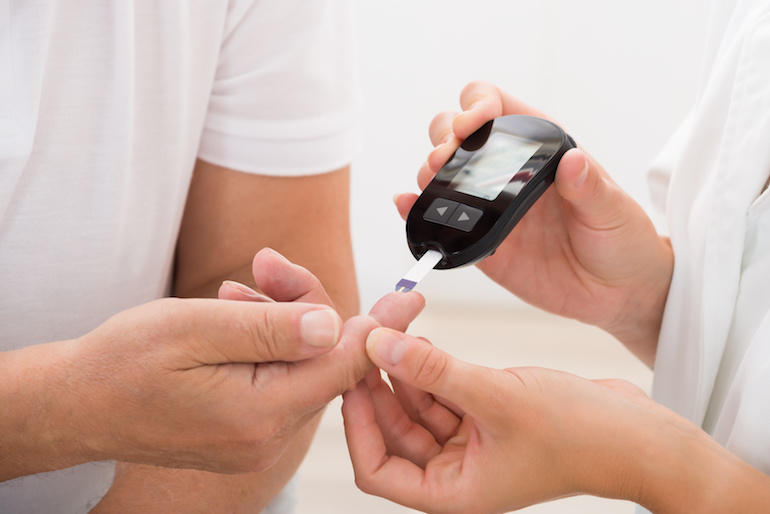
 It’s well-recognized in medical circles that obstructive sleep apnea and type 2 diabetes are connected. In fact, one study published in Family Medicine found that people with type 2 diabetes have a nearly 50 percent chance of also having this sleep disorder.
(more…)
It’s well-recognized in medical circles that obstructive sleep apnea and type 2 diabetes are connected. In fact, one study published in Family Medicine found that people with type 2 diabetes have a nearly 50 percent chance of also having this sleep disorder.
(more…)
What to Know: Type 2 Diabetes and Sleep Apnea
February 18, 2020
Diving into the Connection Between Smoking & Sleep Apnea
January 30, 2020
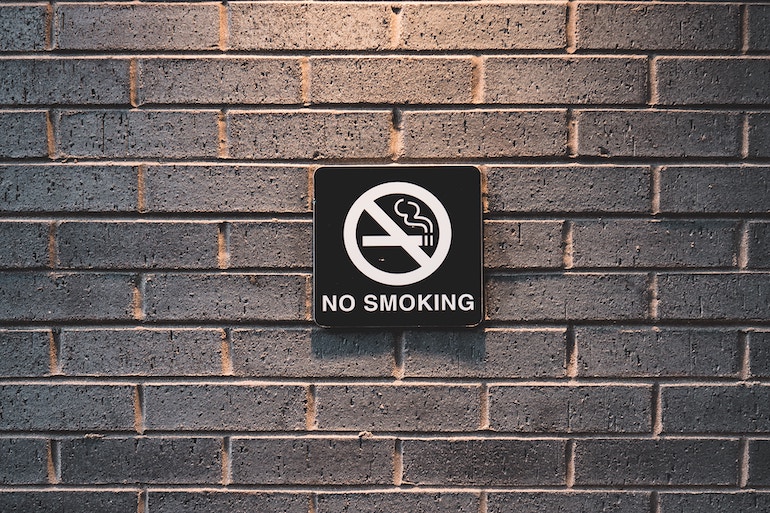
One of the most common New Year’s resolutions is people promising themselves, or their loved ones, that they will finally quit smoking. And it’s a commendable endeavor, as we have all heard about the health risks of smoking, including heart disease and lung cancer. But did you know that smoking is a risk factor for sleep apnea, too?
(more…)Challenging our Preconceptions: Sleep Quality vs. Sleep Quantity
January 23, 2020
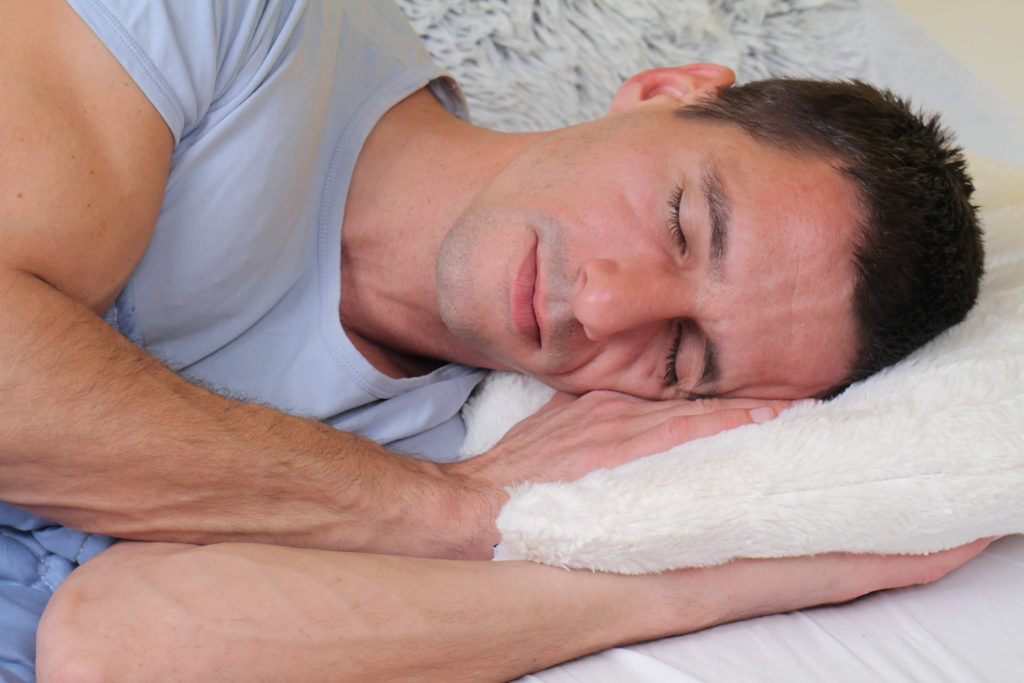
When you’re feeling sluggish, the first thought is often “Looks like I need to go to bed early tonight.” And while more sleep is always a good thing, a study recently published by the University of Sydney challenges the assumption that the amount of hours spent asleep is the sole determiner in how rested you feel.
(more…)Why 7-8 Hours of Sleep (No More and No Less) Is Ideal
January 10, 2020
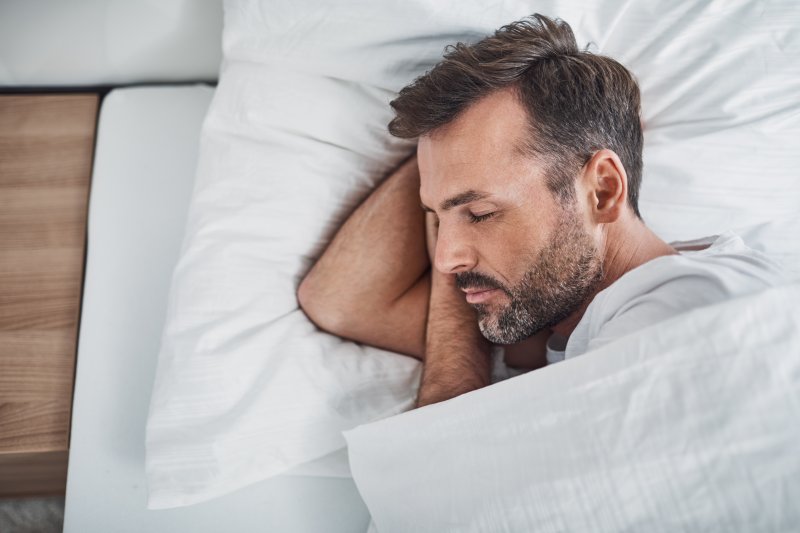
Sleep plays a vital role in mental and physical health. Most of us know that getting too little sleep is bad — after a night of poor rest, we feel how sleep deprivation affects our mood and performance the next day. And there is plenty of research out there to back this up, with the general consensus being that the optimal amount of sleep is 7-8 hours. The preliminary results from the world’s largest sleep study fall in line with previous research results, but with a surprising twist: that sleeping more than 7-8 hours is just as harmful as sleeping less than that time. How are those who get less than or more than 7-8 hours of sleep affected?
Can Sleep Apnea Lead to Blindness?
December 23, 2019
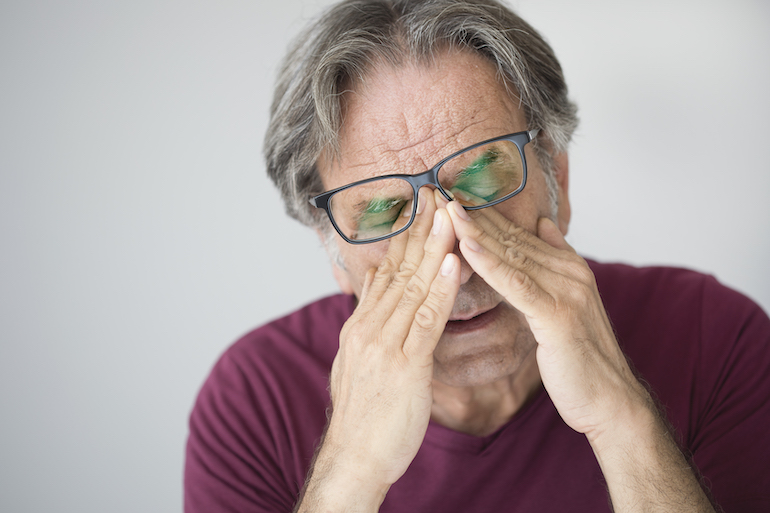
Not only does sleep apnea rob millions of Americans of quality rest every single night, but it can also lead to a variety of serious health problems if left untreated, including high blood pressure, stroke, heart failure, diabetes, depression, and frequent headaches. Basically, sleep apnea can be a BIG problem by itself but left untreated, it also leads to many other serious concerns. In fact, a recent study just revealed a strong connection between sleep apnea and eye problems related to diabetes.
(more…)Using Cell Phones to Actually Improve Sleep, Not Hurt It
December 17, 2019
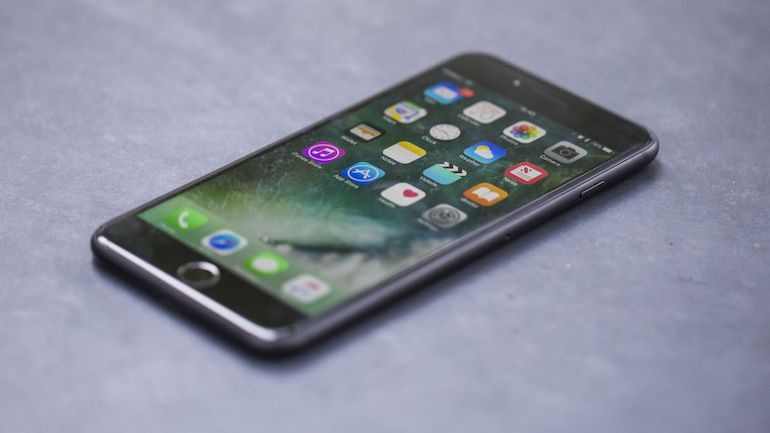
We often demonize cell phones in the world of sleep because 1) they emit blue light, which has been proven to impair sleep when used excessively or at night, and 2) they tend to serve as a pre-bedtime distraction that eats into a night’s sleep. Despite these valid concerns, certain phone features can actually help you get a better night’s rest. Take a look at these sleep tips to learn how your phone can actually benefit your zzzz’s.
(more…)Why Better Sleep Should Be Everyone’s Top New Year’s Resolution
December 10, 2019

Have you started thinking yet about your 2020 New Year’s Resolution? Is it centered around your health, or maybe your work or relationships? What about getting better sleep? It may not be the most popular or obvious resolution, but it’s the one that can make the most difference in terms of positively affecting multiple areas of your life.
Below, we talk about all the physical, mental and emotional benefits that sleep has to offer. You might be surprised at how much a little extra shut eye can improve your day-to-day life.
(more…)How to Stay Well-Rested This Holiday Season
November 25, 2019

Sticking to a regular sleep schedule can be very difficult during the holidays, thanks to the many potentially sleep-disrupting things which are often oh-so-present during the season — travel, temptations to stay up late catching up with family members, irregular diets, and more. Yet, tempting though it can be to allow any of these distractions to upend your healthy habits during the holiday months, it’s just not worth it. Your wellbeing is too important!
(more…)The Plants That May Improve Sleep
November 21, 2019
 According to a study published in the American Journal of Respiratory and Critical Care Medicine, air pollution may increase the risk factor of sleep-disordered breathing. It is important to consider air quality both indoors and outdoors when it comes to treatments that may help those with sleep apnea. Turns out, certain indoor plants may provide a simple way to surround yourself with cleaner air and breathe easier.
(more…)
According to a study published in the American Journal of Respiratory and Critical Care Medicine, air pollution may increase the risk factor of sleep-disordered breathing. It is important to consider air quality both indoors and outdoors when it comes to treatments that may help those with sleep apnea. Turns out, certain indoor plants may provide a simple way to surround yourself with cleaner air and breathe easier.
(more…)
A Quick-Start Guide to Sleep Aids
November 20, 2019
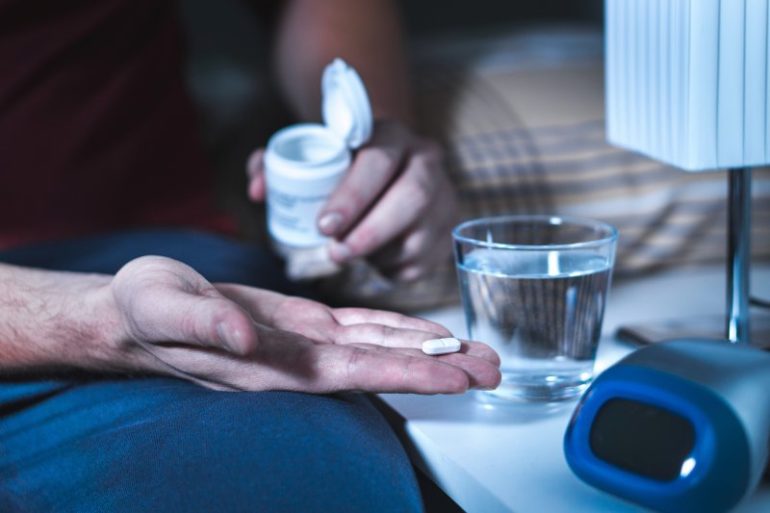
Receiving enough sleep on a regular basis is essential for proper mental and physical health. But easier said than done, right?! If you tend to struggle with achieving enough rest, you might be all too familiar with the various sleep aids on the market.
(more…)